
6 Powerful Marketing Lessons from the Longlegs Campaign
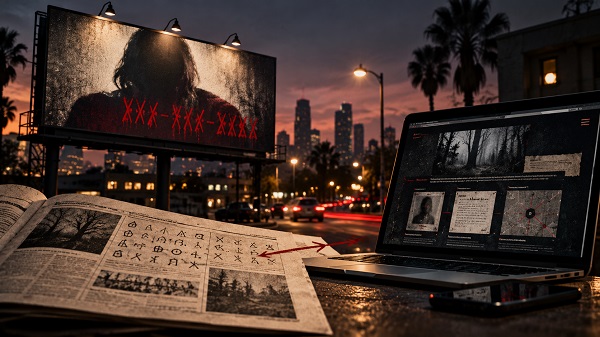
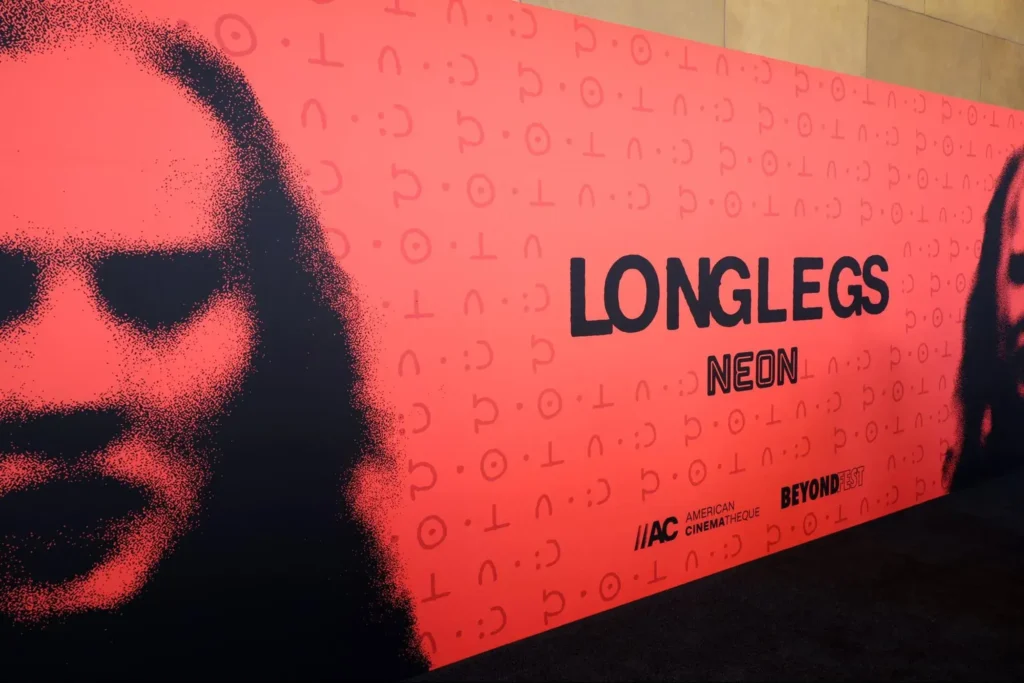
In June 2024, a cryptic half-page advertisement appeared in The Seattle Times. Its symbols ended with the line “Printed at the request of Longlegs.” The ad promoted Longlegs, NEON’s horror film written and directed by Osgood Perkins, by making the advertising itself part of the mystery. The campaign also used Los Angeles billboards, a promotional phone number, and trailers that revealed little about the film.
The film opened strongly at the domestic box office. The Los Angeles Times reported $22.6 million in domestic ticket sales, while Marketing Brew reported $22.4 million for the opening weekend. These figures show how the film performed at launch; they do not isolate what any single tactic contributed.
1. Create a Continuous Journey for Your Audience
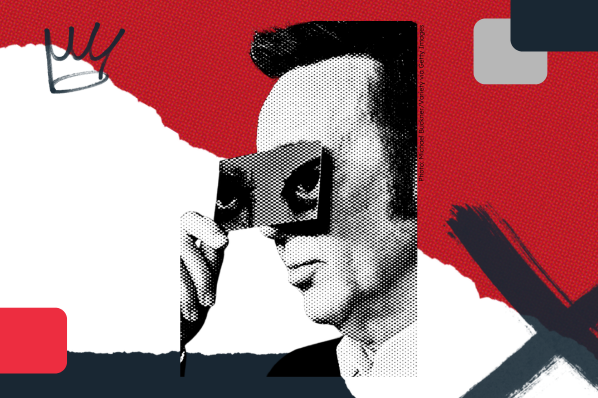
NEON’s campaign unfolded through a series of clues rather than a single advertisement that explained everything. The studio used cryptic newspaper advertising and trailers to give audiences fragments of the story, while its marketing materials deliberately obscured Nicolas Cage’s face.
For marketers, the useful idea is to plan how each touchpoint adds something to the audience’s understanding. A product launch might introduce a customer problem, demonstrate a possible solution, and then provide the information needed to evaluate the product. A sequence works best when each step has a clear purpose, rather than stretching a simple message into unnecessary interactions.
2. Foster Community and Shared Experiences
One reported sign of audience response was the campaign’s phone line. Marketing Brew reported that it received more than 250,000 calls in its first 48 hours. The number offered a concrete action for people who encountered the billboard, turning a passive impression into an interaction.
https://www.instagram.com/p/C8NUiKyvI1A
That figure shows reported activity, not how many callers bought tickets or recommended the film to others. It nevertheless illustrates a useful design principle: participation is easier when a campaign gives people a specific action that fits its central idea. Brands can apply this through a relevant challenge, an interactive demonstration, a live event, or a customer-created resource. The action should be worthwhile for participants, not simply a request to promote the brand.
https://www.instagram.com/p/C8NUiKyvI1A/?utm_source=ig_web_copy_link
3. Cultivate Suspense
NEON deliberately obscured Cage’s face in the film’s marketing materials. According to the Los Angeles Times, Cage was barely shown in the main trailer, which revealed little about the plot. The studio also scrapped an earlier plan for a more conventional preview after audiences responded enthusiastically to an early, cryptic teaser.
Marketers can use selective reveals when anticipation is relevant to the offer. A launch might introduce an unusual product feature before explaining how it works, or a demonstration might show a familiar problem before revealing a solution. The reveal should reward attention. If people cannot understand what is being advertised or why it matters, suspense has become confusion.
4. Unite Analog and Digital Strategies
The Seattle Times advertisement did more than create a striking print placement: it led to TheBirthdayMurders.net, a fictional website connected to the film’s story. That link connected a physical newspaper ad to an online experience.
Marketing Brew also reported that NEON did not buy a television ad for the campaign. The studio used a Los Angeles billboard displaying a phone number that played an audio message from the film’s serial killer. The film identifies Nicolas Cage as the actor playing the killer.
The practical lesson is to give each channel a distinct role. A printed ad can introduce an idea, while a website provides more detail or a next step. A physical event can direct interested visitors to a product demonstration or a useful resource. Choose channels based on where the intended audience can be reached and what each contributes; more channels do not automatically make a campaign more effective.
5. Embrace Imagination and Interactivity
TheBirthdayMurders.net presented the film’s fictional trail of victims and cryptic letters signed by Longlegs. This expanded the story world beyond a conventional synopsis and gave the campaign a distinctive creative setting.
The campaign received a Grand Award in the Integrated Campaign category at Clio Entertainment 2024.
For marketers, imaginative experiences can make an abstract benefit easier to understand. A software company might create an interactive demonstration of a workflow problem. A travel brand could let customers explore a sample itinerary. A service provider might offer a guided assessment that helps potential customers understand their needs. The concept should fit the product: fictional threats may suit a horror film, but real-world services should not use invented dangers to mislead customers.
6. Trust Your Audience
The Longlegs campaign left some questions unanswered and allowed viewers to decide how much of the mystery they wanted to explore. That approach suited a horror film built around suspense, but it is not a universal rule for marketing.
Trusting an audience means giving people room to engage with a clear, thoughtful message without explaining every detail repeatedly. It does not mean assuming everyone enjoys ambiguity or will interpret a campaign exactly as intended. For some products, a restrained message can make a distinctive benefit stand out. For others—particularly products involving complex terms, safety, or significant financial decisions—clear explanations are more valuable than mystery. Customer feedback can help show where a message is intriguing and where it becomes unclear.
Conclusion
NEON’s Longlegs campaign connected cryptic advertising, a phone-based interaction, and a fictional online world into a distinctive promotional experience. The broader lesson is to give people a relevant reason to pay attention, connect campaign touchpoints intentionally, and choose creative techniques that fit the product. Suspense and interactivity can make a campaign memorable, but they work best when they serve a clear objective.
Sources and further reading
- Los Angeles Times — How Neon’s ‘Longlegs’ became the surprise indie horror hit of the summer
- Marketing Brew — Scary good
- Northeastern Global News — Horror movie ‘Longlegs’ has gone viral with its creepy marketing campaign. But is it more than just a stunt?
- Bloody Disgusting — The Birthday Murders: Viral Marketing Website Launches for ‘Longlegs’
- The Clios — NEON: LONGLEGS – Integrated Campaign


Leave a Reply